ArchiMate Cheat Sheet
The full 50-element notation catalog from Appendix A. Search and layer/aspect filtering are coming in the next update — for now, browse the complete list below.
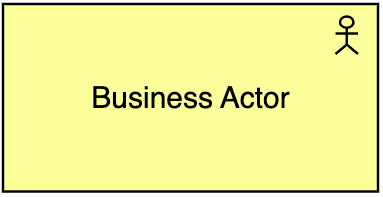
Business Actor
A real entity that can act: a person, team, or organization.
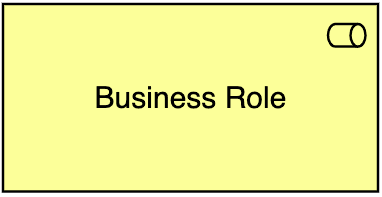
Role
A responsibility "hat" assignable to any active element. In ArchiMate 4 this is a single Common Domain element shared across all layers.
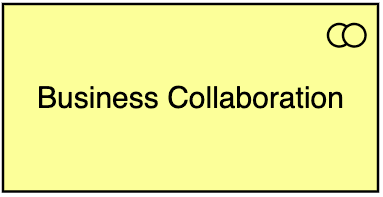
Collaboration
Two or more active elements working together temporarily. In ArchiMate 4 this is one unified Common Domain element rather than a per-layer variant.
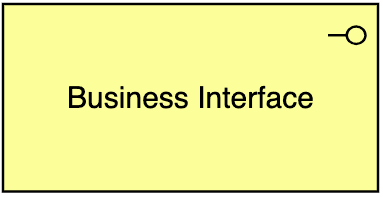
Business Interface
The channel where a business service is accessed, such as a shopfront or a phone line.
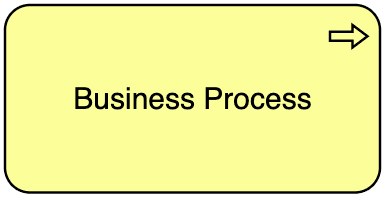
Business Process
An ordered sequence of work with a start and an end, shown at business scale.
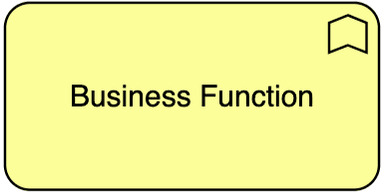
Business Function
An ongoing cluster of capability with no start or end, shown at business scale.
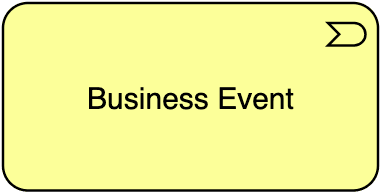
Business Event
Something that happens, such as an order being received, shown at business scale.
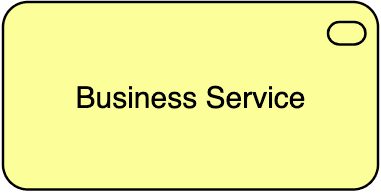
Business Service
What the business offers to consumers, with its internals hidden.
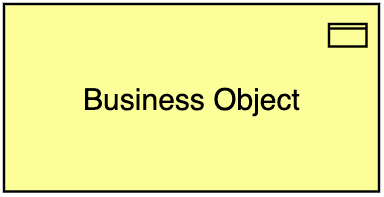
Business Object
Information the business cares about, such as an Order or an Invoice.
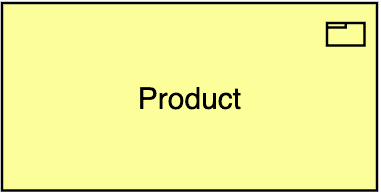
Product
A coherent bundle of services plus a contract, sold to the market as one thing.
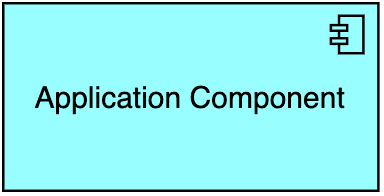
Application Component
A deployable lump of software — the most-used element in ArchiMate.
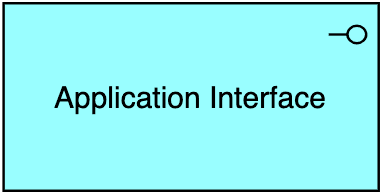
Application Interface
The socket where an application service is offered, such as a UI or an API.
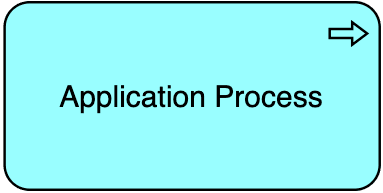
Application Process
The shared Common Domain process element on application duty, such as a nightly export job.
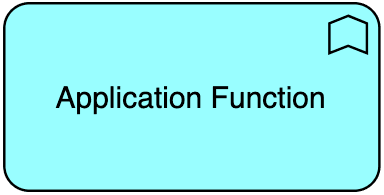
Application Function
The shared Common Domain function element on application duty — an ongoing cluster of application-level capability.
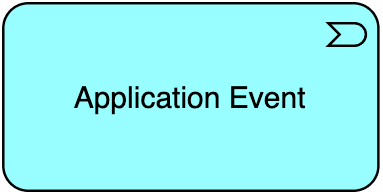
Application Event
The shared Common Domain event element on application duty, such as a message being received.
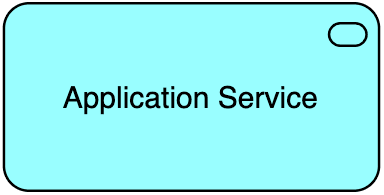
Application Service
The shared Common Domain service element on application duty — a favor one application offers to others.
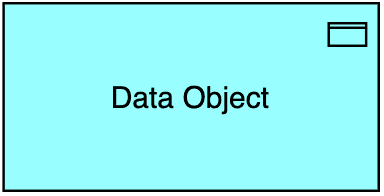
Data Object
Information in application form, such as an Order Record.
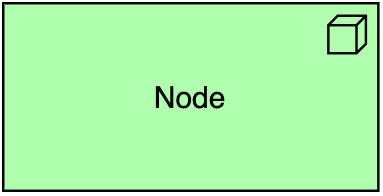
Node
A computational resource that hosts things; scales from a single VM to an entire cloud platform.
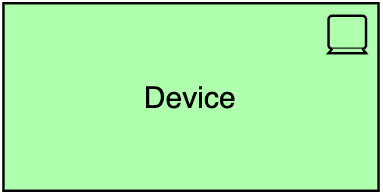
Device
A physical machine you could stub your toe on.
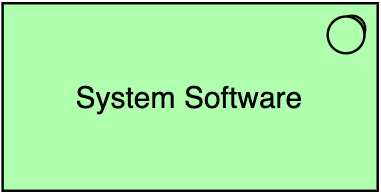
System Software
The software environment things run in, such as Linux, PostgreSQL, or Docker.
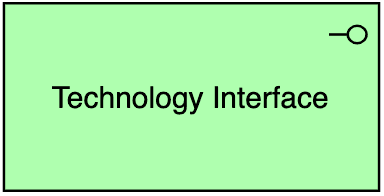
Technology Interface
Where a technology service is offered.
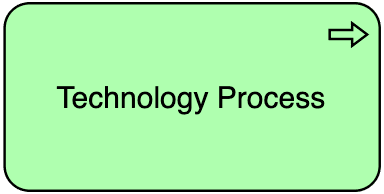
Technology Process
The shared Common Domain process element, technology edition — such as a backup job.
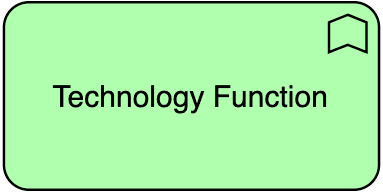
Technology Function
The shared Common Domain function element, technology edition — ongoing infrastructure capability.
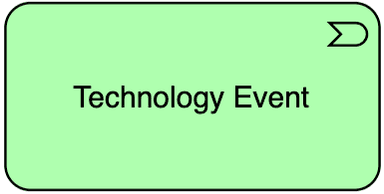
Technology Event
The shared Common Domain event element, technology edition — such as a failover event.
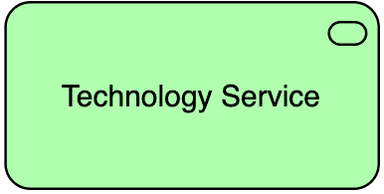
Technology Service
The shared Common Domain service element, technology edition — infrastructure exposed for consumption.
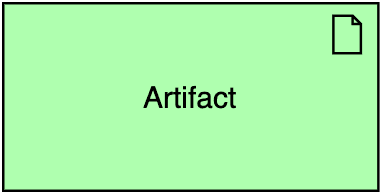
Artifact
A concrete file or deployable, such as a WAR file or a container image.
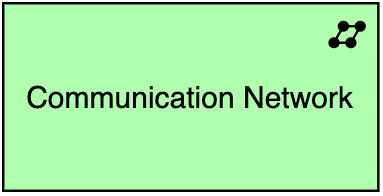
Communication Network
Connectivity between nodes, such as a LAN, the internet, or a VPC.
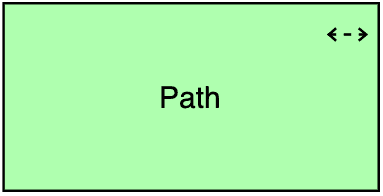
Path
A logical route between nodes. In ArchiMate 4 this is a Common Domain element realized by networks and nodes.
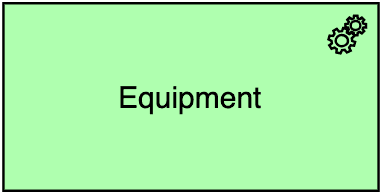
Equipment
Machines that do physical work, such as a conveyor or a packing machine.
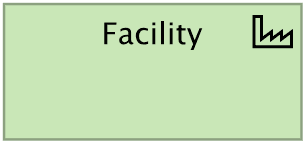
Facility
A physical place, such as the BookNook warehouse.
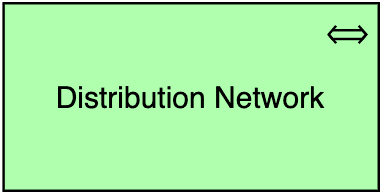
Distribution Network
A physical movement network, such as a courier network.
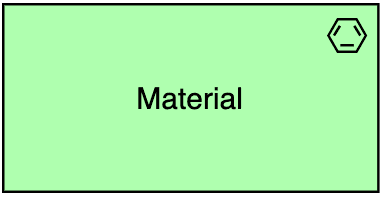
Material
Tangible stuff, such as books or boxes.
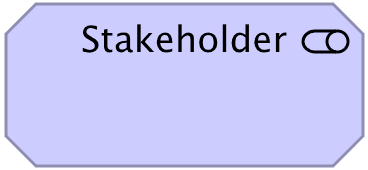
Stakeholder
Someone who cares about the outcome.
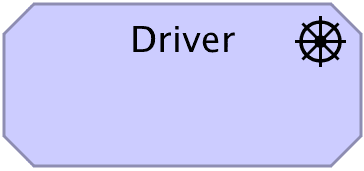
Driver
A force creating pressure for change, such as customer complaints or new regulation.
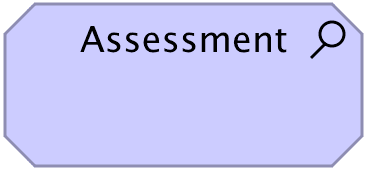
Assessment
A judgement about a driver, such as "our dispatch time is 3 days — too slow." In ArchiMate 4, Assessment also replaces the retired Gap element: the named difference between two Plateaus is now modeled as an Assessment associated with both.
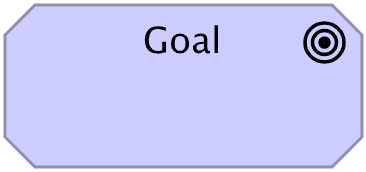
Goal
A desired outcome, such as "orders out within 24 hours."
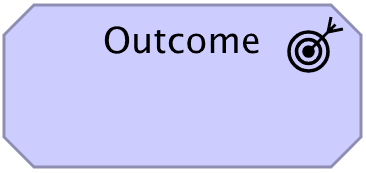
Outcome
An achieved result.
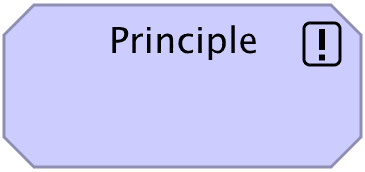
Principle
A general rule guiding design, such as "buy before build."
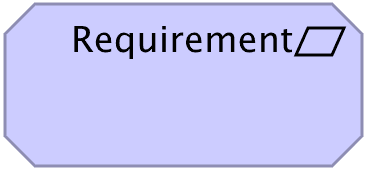
Requirement
A concrete need a solution must meet. Model old-style Constraints as specialized Requirements.
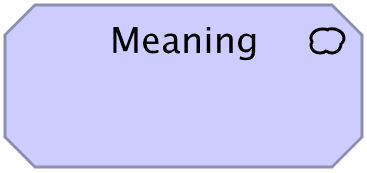
Meaning
The significance of something to a stakeholder, in a particular context.
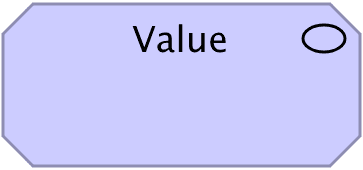
Value
The relative worth, utility, or importance of something to a stakeholder.
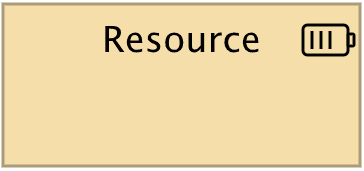
Resource
An asset the organization owns or controls.
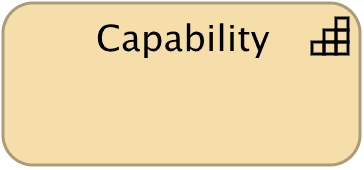
Capability
What the organization is able to do, such as Order Fulfillment.
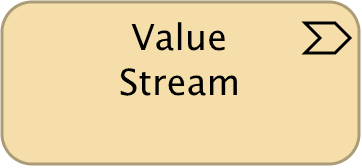
Value Stream
An end-to-end value-creating flow, viewed at strategic altitude.
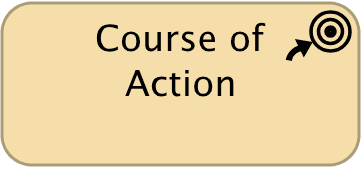
Course of Action
A chosen approach, such as moving warehousing to a third-party logistics provider.
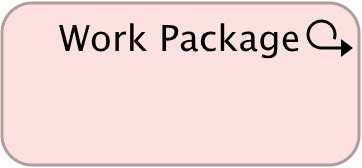
Work Package
A chunk of effort with a start and an end — roughly, a project.
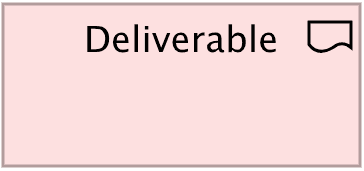
Deliverable
What a work package produces.
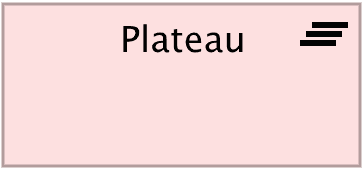
Plateau
A relatively stable state of the architecture at a point in time.
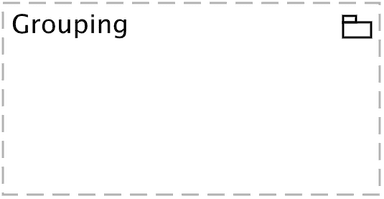
Grouping
A flexible visual or semantic basket for grouping any elements.
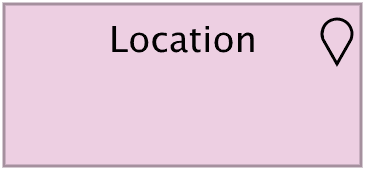
Location
A place where things sit, such as the Sydney office.